Trillium Comunities Douglas Care and St. Charles Manor are combining daily activity programming with new sensory technology to support residents living with cognitive decline
At one Oak Bay long term care home, meaningful activity is regarded as far more than a pastime; it is understood as an essential element of wellbeing and treated with the same care, intention, and seriousness as medication. It’s a philosophy that continues to shape the community’s programming and it’s now backed by technology unlike anything else in the province.
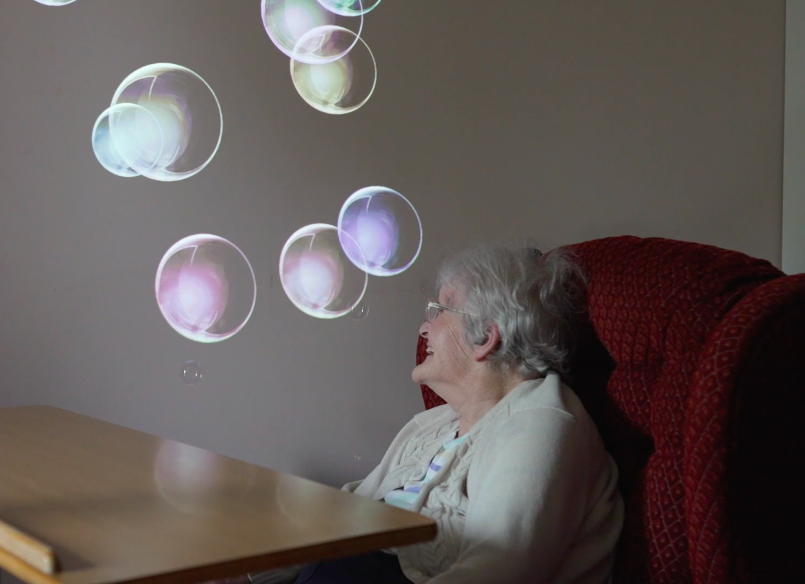
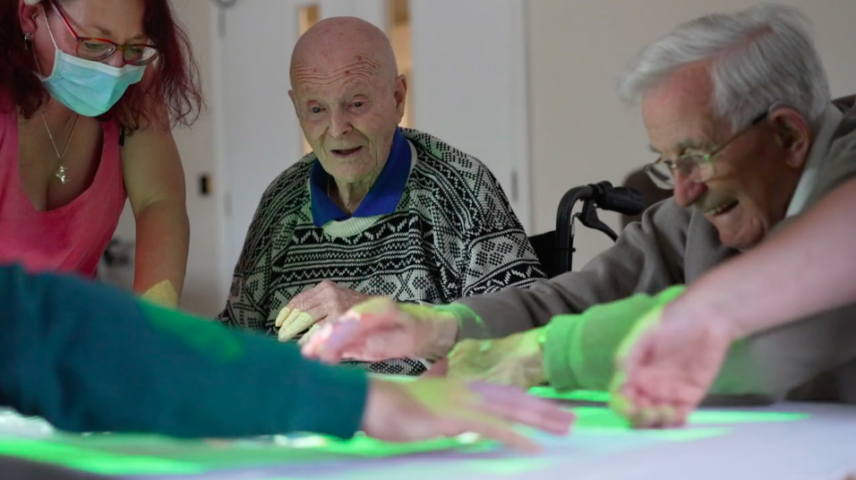
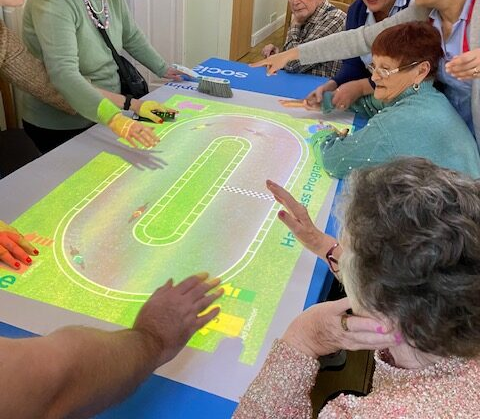
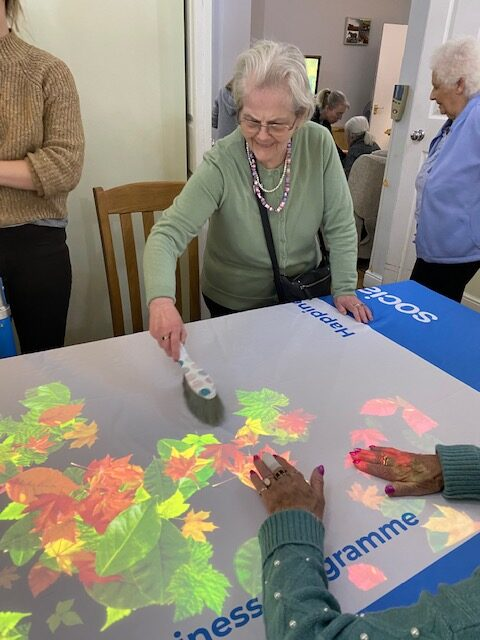
St. Charles Manor and Douglas Care recently introduced The Happiness Program, a multi-sensory stimulation system designed to support residents living with dementia and cognitive decline. Through the intrinsic power of playing with light and the careful method of game development, Magic Table activities have been shown to work effectively when other activities don’t, especially for those with challenging care needs such as late stage dementia or acute learning disabilities. More than a recreational tool, the program reflects a thoughtful approach to care – one that recognizes stimulation, joy, movement, and meaningful engagement as essential contributors to dignity, wellbeing, and quality of life.
“We believe we’re the first long-term care home in the province to introduce something like this,” says Executive Director of St Charles Manor Twila Thomson. “The results we’re seeing speak for themselves.”
The Happiness Program engages residents through visual, auditory and tactile experiences, creating moments of connection and meaning that don’t require memory or language to access.
For people living with dementia and cognitive decline, that distinction matters.
Behaviours such as restlessness, wandering and agitation are often not symptoms of the disease alone, but signals that a person is bored, lonely or searching for something purposeful to do.
The Happiness Program has been associated with reduced wandering, increased food intake, greater social engagement and a decreased reliance on medications used to manage responsive behaviours.
The technology sits alongside a broader activity philosophy that Thomson says drives everything at all Trillium Communities Long Term Care homes in Victoria.
Residents have access to up to six organized activities every day, such as exercise classes, music programs, crafts, gardening, games and spiritual services.
“Meaningful activity isn’t a nice-to-have,” Thomson says. “It’s care. It supports physical, emotional and spiritual wellbeing in ways that medication alone simply can’t.”
The approach is rooted in a recognition that most residents arriving at St. Charles Manor spent decades defined by purpose – raising families, building careers, volunteering and maintaining homes.
That sense of contribution doesn’t disappear with a diagnosis.
“A diagnosis of dementia does not mean the end of a meaningful life,” Thomson says. “Our job is to make sure residents continue to experience joy, belonging and purpose every single day.”
St. Charles Manor, owned and operated by Trillium Communities is nestled in Victoria’s Oak Bay neighbourhood and is currently accepting new residents, with immediate availability in a setting designed for long-term and complex care.
For more information or to book a tour, visit Trilliumcommunities.com or call 250-595-4255.
Follow Trillium Communities on Facebook and Instagram for updates.